The Mx Studio
Local SEO works better when suburb intent, service pages, and trust signals all line up.
SHOW UP IN THE SUBURBS THAT MATTER AND TURN SEARCHES INTO CALLS
Local SEO for Brisbane SMBs that need the right suburbs, service areas, and buying intent showing up in search.
4.9 stars on GoogleThe Mx Studio
Local SEO works better when suburb intent, service pages, and trust signals all line up.
Local SEO is about suburb intent, service intent, Google Business Profile visibility, and the landing pages people use when they are ready to call or enquire. It is not enough to sprinkle suburb names across one generic page and hope Google does the rest. The site needs real location context that matches how nearby customers actually search and compare options.
Local rankings rely on technical structure, internal links, useful content, and conversion pages all working together. If the site is messy or too vague, local SEO has a much harder time doing its job. That is why local growth usually starts with cleaning up the main service architecture, not just tweaking the map listing.
You need more than a suburb name in a heading. Good local SEO pages explain the service, the area, the proof, and the reason somebody nearby should trust the business over the next option in the search results. They also need enough detail to deserve ranking on their own instead of looking like cloned filler.
If those pages do not exist yet, the site needs the structure to support suburb pages, service clusters, and clean internal links. Local SEO rarely performs at its best on a vague, one-page service site. Clearer structure gives Google and customers a much easier path from the search result to the right enquiry page.
Map views, local pack rankings, and suburb impressions are not enough if the page is slow, generic, or hard to enquire through. Visibility only matters when nearby customers feel confident enough to call, book, or request a quote. Local traffic has to land on pages that feel specific, trustworthy, and ready to help.
That is why we connect the local work back to page structure, reviews, trust signals, service content, and forms so the visibility has a better chance of becoming real enquiries. The local rankings are only useful when the rest of the site can convert the attention they bring in.
Not sure which route makes the most sense? Book a free strategy call and we'll look at the website, the search opportunity, and the fastest useful next step for your business.
Local SEO is strongest when it is treated like real search work instead of a few suburb keywords and a profile update. The local pages, map signals, and service hierarchy need to support the same commercial goals.
The website needs suburb relevance, service clarity, proof, internal links, and calls to action that make local visibility useful once someone lands. Without that structure, rankings can improve while enquiries stay flat.
If the current site cannot support that properly, the better first step is usually web design so the local SEO campaign has something solid to build on.

“I’ll probably spend three hours fixing something you’ll never notice. You’re welcome.”
Map local demand with intent
We connect services, suburbs, and intent instead of guessing keywords, so each page has a clearer job to do in search. That usually leads to cleaner structure, more relevant landing pages, and much more useful local traffic rather than broad clicks that go nowhere, because the page is built around what people are actually trying to find.
Support AI visibility as you grow
Clear local entities help answer engines understand who you serve, where you operate, and why the business is relevant to that suburb query. The easier those signals are to follow, the easier it is for AI SEO and local search to overlap in a useful way, especially when the business is adding new pages, locations, or service angles.
Keep the site clean as it expands
Local SEO works better when technical structure, redirects, and content stay organised as the site evolves. If new pages, suburbs, or offers get layered in messily, visibility usually suffers because the site stops making clear sense to search engines. That is why bigger rebuilds often need SEO migration planning as well.
Website Redesign, SEO Migration


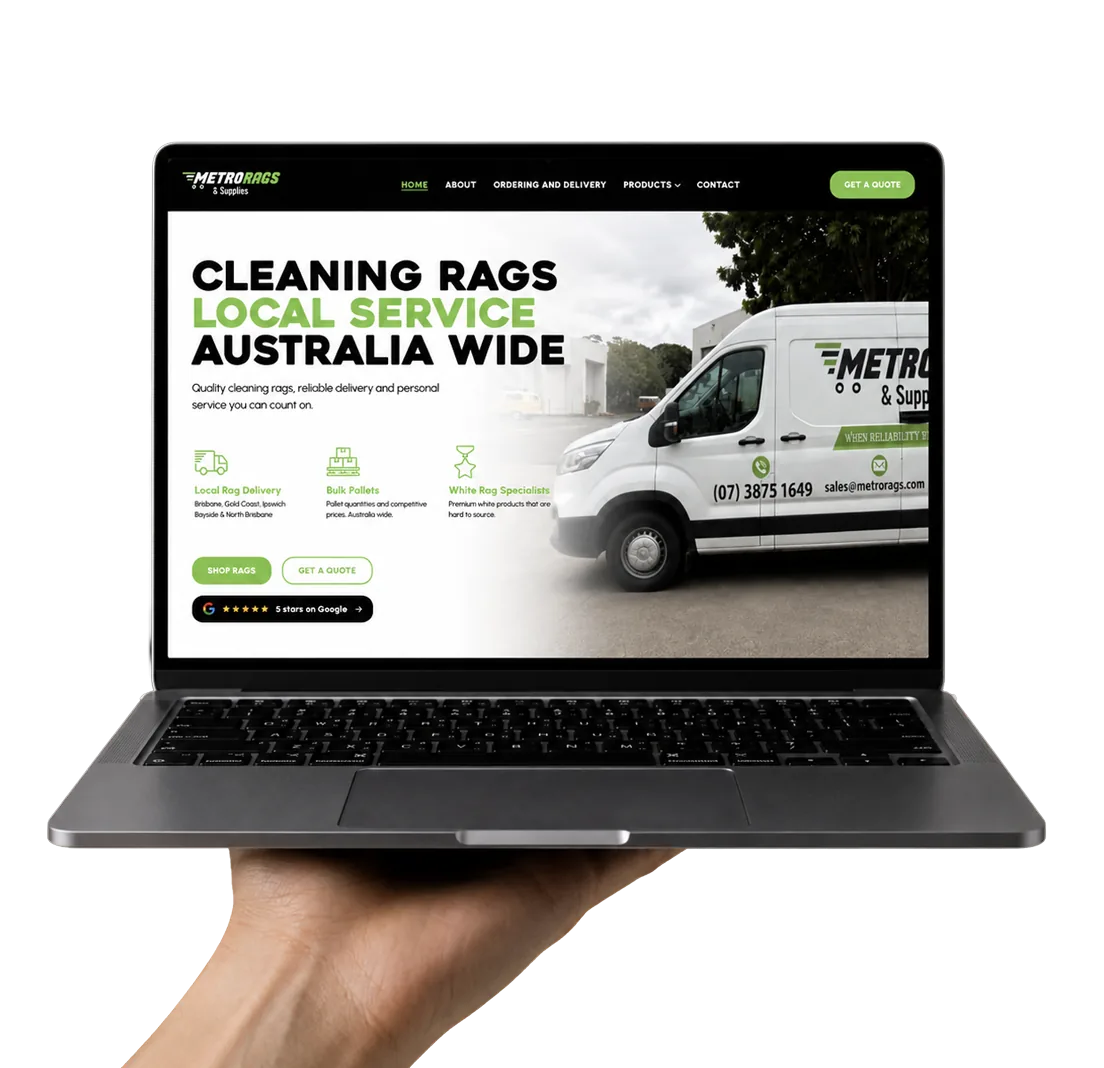
18
new form submissions in the first month
175%
increase in site traffic
06
month SEM topical plan for a stronger online presence
Suburbs, service areas, Google Business Profile signals, landing pages, and local intent all need to line up clearly. That is much easier when the core SEO foundations are already strong. The clearer the main site hierarchy is, the easier it becomes to map each suburb or service query to the right page.
Local rankings are easier to build when the website clearly explains the services, suburbs, proof, and next steps customers are already searching for. That same clarity also gives AI SEO something much stronger to build on, because answer engines also need location context and service clarity before they can cite a business confidently.
Local pages only help if they keep their purpose, hierarchy, and internal links as the site evolves. Bigger rebuilds usually need SEO migration planning so the local structure survives the change. Otherwise the site can lose the very suburb relevance it spent time building up.
Local SEO focuses more directly on map visibility, suburb intent, service-area relevance, and the local signals that help nearby customers find you. Broader SEO can include that, but it also covers the wider site structure and non-local search opportunities. In other words, local SEO is usually one focused layer inside a bigger search strategy.
Yes. Many SMBs rank locally without a traditional storefront. The important part is that the business clearly shows where it operates, what it does, and how that location relevance is reflected across the site and business profile. Service-area businesses still need strong suburb signals and pages that make the coverage feel real, not assumed.
Not always, but they can help when they are genuinely useful and mapped to real service demand. Thin suburb pages written just to force keywords usually create clutter instead of making the site more competitive. The best ones explain the service in that area, show proof, and give someone nearby a clear reason to enquire.
It matters a lot for local visibility because it influences how the business appears in maps and local packs. A strong profile works best when the website, categories, reviews, and service information all support the same local picture. The profile works best as part of the system, not as a replacement for a strong website.
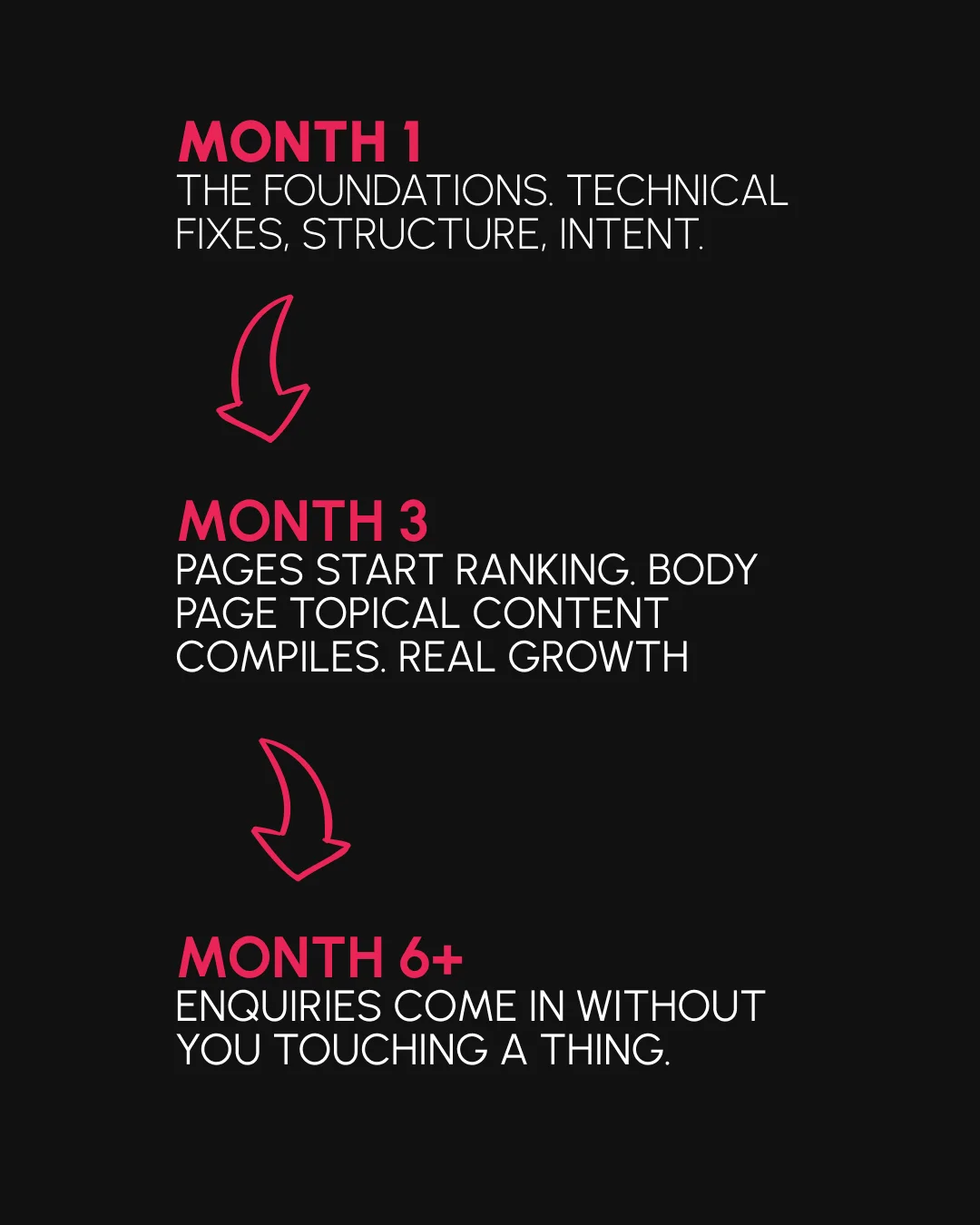
It depends on the starting point, competition, and how much cleanup the site and profile need. Some gains show up earlier, but stronger local visibility usually builds as the pages, profile, reviews, and location signals become more consistent over time. The businesses that win locally are usually the ones that keep improving the page quality as well as the profile itself.
We look at whether the business is becoming easier to find in the suburbs and services that actually matter, not just whether impression numbers went up somewhere. Useful indicators include better map visibility, stronger landing pages, more relevant calls or forms, and clearer local search coverage. The goal is to see whether the right local pages are attracting the right kind of enquiries.
Tell us about what you need from your website. We’ll talk through your project and recommend the right next step